

Alzheimer’s & Its Impact
What Is Alzheimer’s?
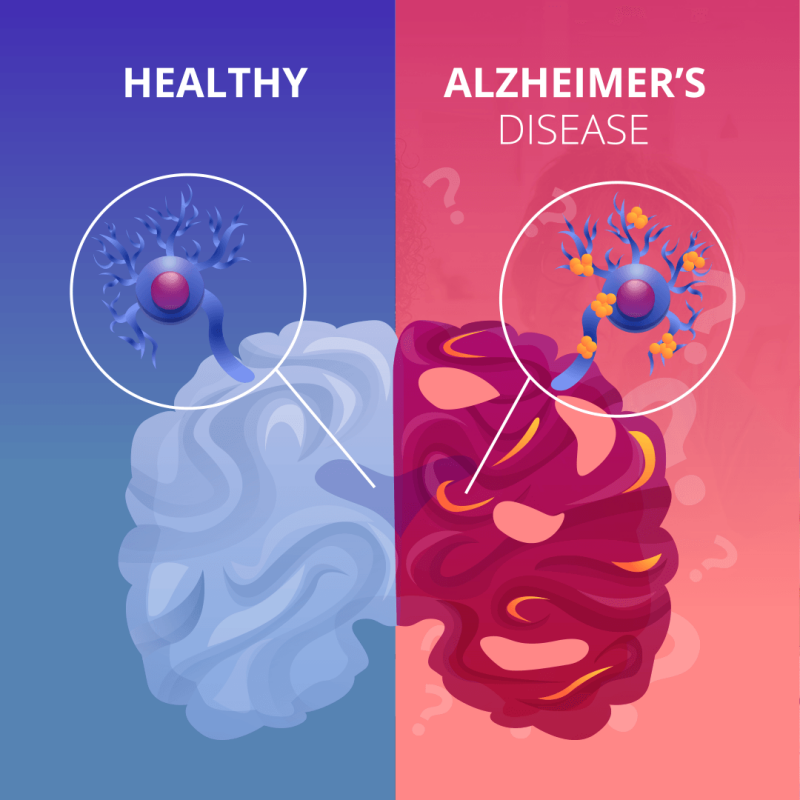
Alzheimer’s disease is the most common form of dementia — a progressive brain condition that affects memory, thinking, behavior, and daily functioning.
Statistics: Why This Matters
- Growing Numbers in Native Communities
-
1 in 6 American Indian and Alaska Native adults aged 45+ report experiencing memory or thinking problems that may signal dementia.
-
The number of American Indian/Alaska Native people aged 65 and older with dementia is projected to increase four-fold by 2060 if current trends continue.
-
Studies show more than half (54 %) of older American Indians have some form of cognitive impairment, and about 10 % have dementia.
-
In tribal health data, roughly 38,000 American Indian/Alaska Native adults aged 45+ had an Alzheimer’s or related dementia diagnosis between 2016–2020.
-
- Disparities in Care Access
-
92 % of Native Americans say culturally aware dementia care is important, but only 49 % report having access to culturally competent providers.
-
61 % of Native Americans say cost of care is a barrier.
-
27 % of Native caregivers report being treated with less respect when seeking care support.
-
Impact on Families & Navajo Communities
1. Emotional & Relational Impact
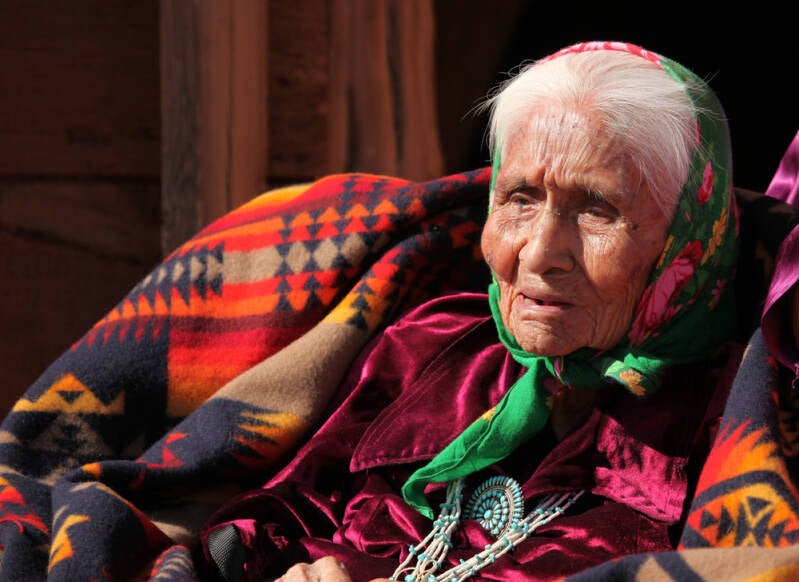
Alzheimer’s affects not just the individual but the entire family. In Navajo culture, elders are knowledge holders — storytellers, teachers, and spiritual guides. Memory loss can disrupt:
-
Family roles and routines
-
Intergenerational storytelling
-
Cultural learning and traditions
This can cause stress, grief, and emotional burden across the household.
2. Caregiving Stress
Most Native elders prefer to remain in their homes surrounded by family, rather than in institutional settings. This is also common in Navajo families. With limited access to specialized support, caregivers often shoulder:
-
24/7 supervision
-
Complex medical decisions
-
Behavioral challenges
-
Emotional and physical burnout
This stress is compounded when care systems lack cultural understanding or support.
3. Healthcare Disparities
Native families often face obstacles such as:
-
Limited access to specialized dementia diagnosis and services
-
Geographic isolation from resources
-
Underdiagnosis or delayed diagnosis due to cultural perceptions of aging and memory loss
-
Lack of culturally appropriate educational materials
These barriers make it harder to get support early, when planning, safety interventions, and treatment can be most effective.
Community & Systemic Challenges
-
Many Native Americans believe memory loss is a normal part of aging, which can delay recognition and care-seeking.
-
Some tribal communities historically did not have a word for “dementia,” adding to misunderstanding and underdiagnosis.
-
Health disparities like diabetes and hypertension — conditions more common in Native communities — can increase dementia risk and complicate care.
Why It’s Important
Understanding these statistics and impacts helps families and community members:
-
Recognize early signs of memory change
-
Seek culturally informed support and healthcare
-
Advocate for improved services
-
Share caregiving responsibilities
-
Preserve language, tradition, and elder identity
Core Message: Alzheimer’s affects Navajo families not just medically but culturally, socially, and emotionally. With rising prevalence and systemic barriers to care, it’s more important than ever to combine cultural wisdom with clinical understanding — empowering families to care with dignity and respect.